Yesterday the RBA continued its madness by raising interest rates for the tenth time to 3.6% in less than a year. It’s worth nothing it took the RBA ten years to drop interest rates from 3.6% to 0.1%.
This week I spoke about the stupidity of the RBA and their inability to manage the economy without destroying it.
Inflation is caused by either too much demand or not enough supply. Most of the inflation today is caused by a lack of productivity in the country resulting in supply shortages.
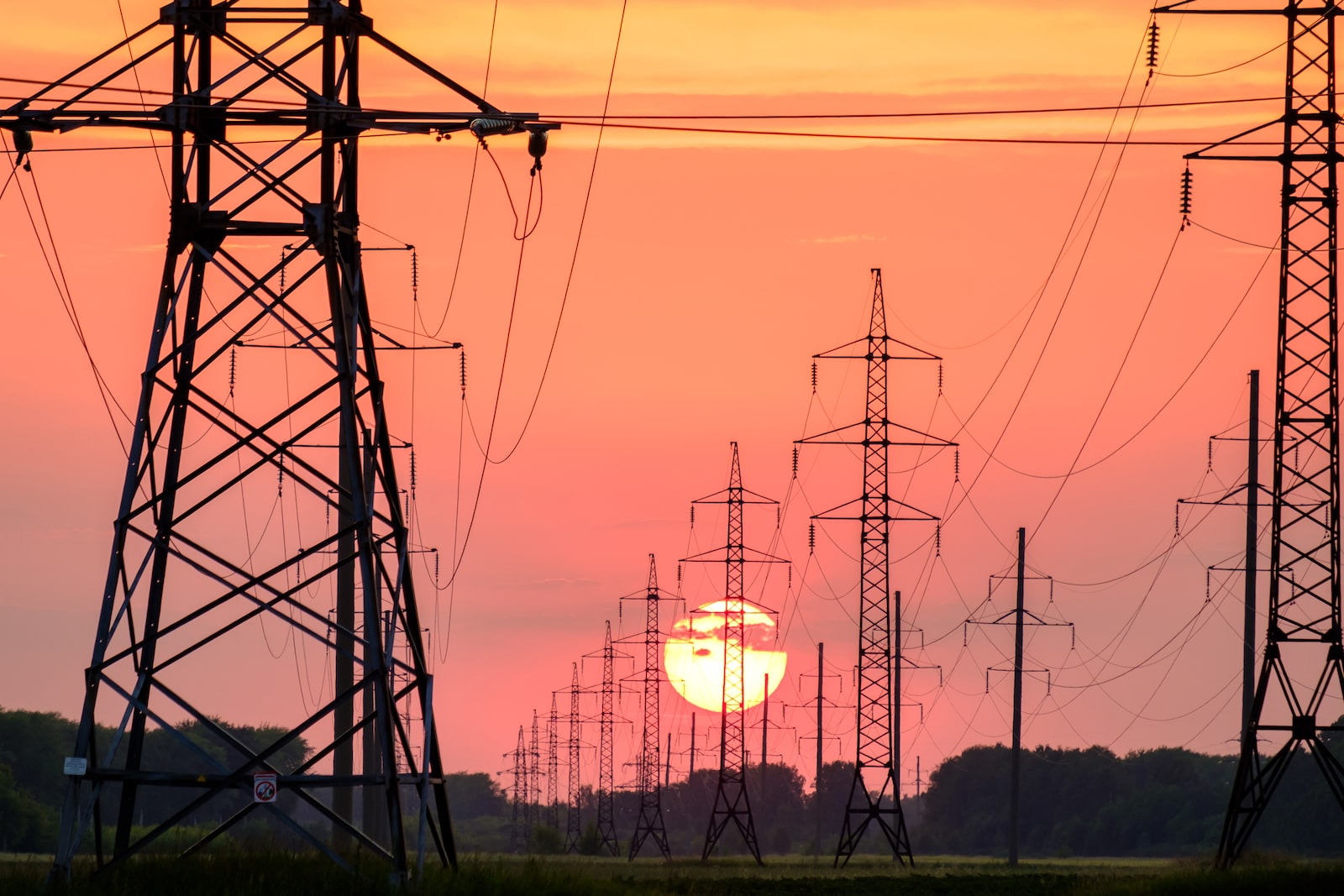
By that, I mean we don’t have enough infrastructure to supply essential services such as energy, water and transportation. If we built more baseload power stations, dams, roads and rail we could produce more goods and services at a lower cost. This will make business more competitive and lower the cost of living.
Rather than manipulate the price of money which will only help speculators and banks, the RBA should fund a Sovereign bank to fund the Sovereign seven Infrastructure assets – Dams, Power Stations, Roads, Rail, Ports, Airports and Telecommunications – to underpin Australia’s sovereignty.
This would deal with inflation in a productive way that creates jobs and provides essential services, rather than the destructive way the RBA is following of austerity which will cause massive unemployment and homelessness.
We also need stop over allocating resources to non-productive roles like poker machines, superannuation and useless university degrees. How ironic is it that Australia has never had more people completing University degrees, yet skill shortages are worse than ever!
If the Greens want to lower inflation they should support lower immigration in regards to foreign students who add to demand but don’t add to supply.
Australia was built on the back of immigration but in the past they added to supply by building infrastructure projects like the Snowy Hydro.
—
Chamber
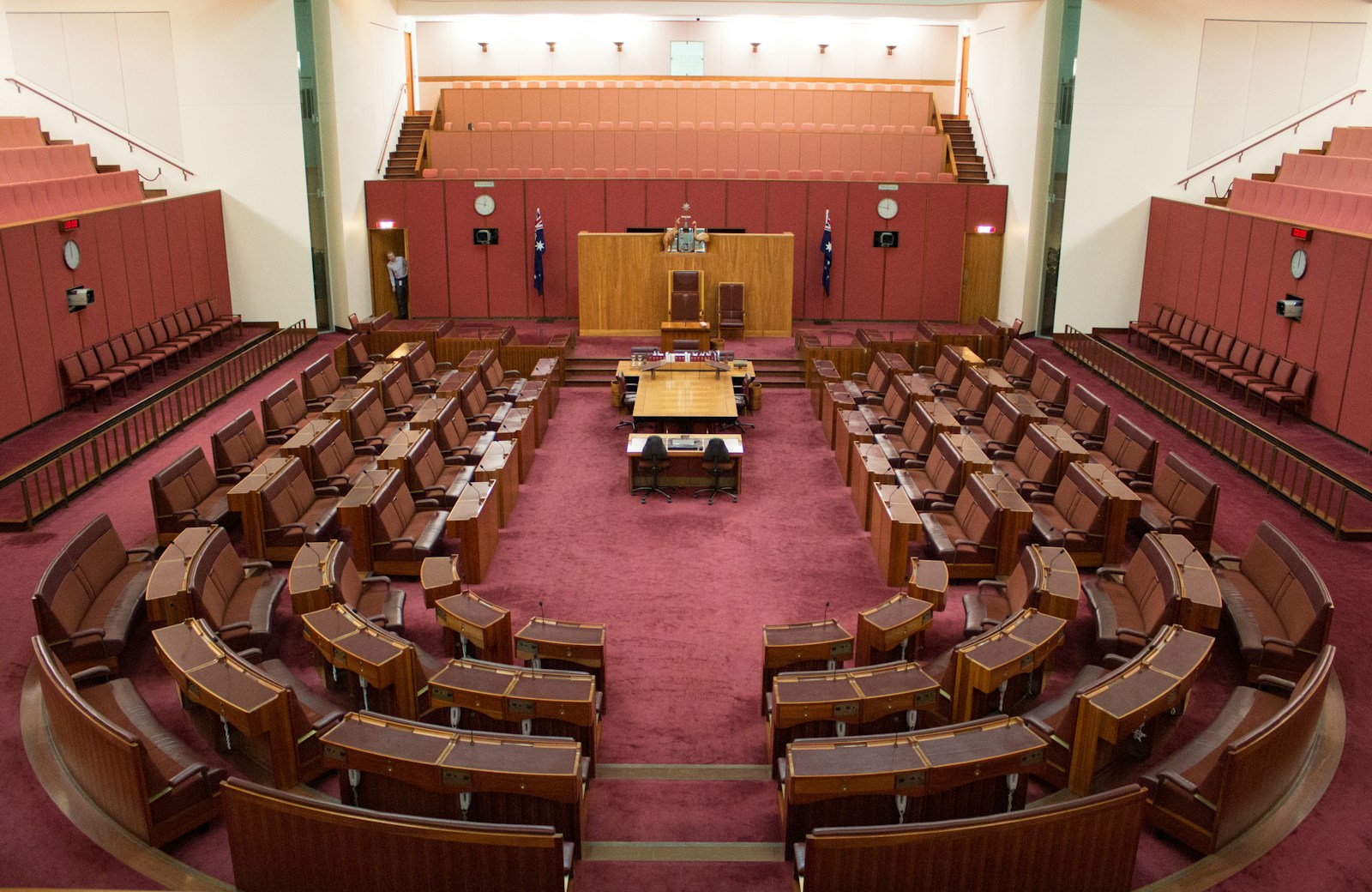
Senate on 6/03/2023
Item
MATTERS OF URGENCY – Cost Of Living
Speaker: Rennick, Sen Gerard
Senator RENNICK (Queensland) (16:06): It must be a blue moon tonight, because it’s not often that I agree with Senator McKim. I agree on most of his motion; I’m not too keen on the national freeze on rents, even though I accept that there’s a genuine problem in regard to rents. But much, much more needs to be done than just allowing an unelected, unaccountable RBA to run riot and destroy the economy through this blunt instrument known as qualitative easing. For too long, Western governments have relied on these central bankers, who are unaccountable and who all report to the Bank for International Settlements. We had that confirmed by Michele Bullock during the last set of estimates, where she admitted that she wouldn’t release the minutes of those meetings with the Bank for International Settlements because they wouldn’t be allowed back at the table. That’s not what I call accountability. But I will address that issue another day, because I want to go back to the crux of this, which of course is the cost of living and the crisis that is going to be caused by the RBA’s reckless behaviour.
The problem with the RBA is that they are all lifers. The last four RBA governors all started work at the RBA. They’ve all had careers in the RBA and have no idea of what goes on in the real world. They base everything on theory and very, very little on practice. I think we need to look—and I know Senator McKim is touching on this; I didn’t quite pick up all of it, but I think I’m on the same path as him—at the fact that they deal only with the demand side. I’ve asked the RBA this myself. They deal only with the demand side. What we’ve got here in Australia at the moment is that we’ve had supply shocks. People often think inflation is caused only by too much demand, but that’s not the case. If trying to make ends meet is too much demand, well, I’m sorry, but that’s not too much demand; that’s a lack of productivity in our own economy because we don’t build enough nation-building infrastructure to provide essential services at affordable rates. What we really need to do in this country is stop being afraid of building infrastructure—in particular, what I call the sovereign seven, which are dams, rail, road, power stations, telecommunications, airports and ports. We need to supply more of these things, through quantitative easing. It took me 30 years to unbrainwash myself, because I had this rubbish forced down my throat at university, but there is nothing wrong with doing this. There is nothing wrong—companies do it all the time. They issue shares. They issue equity. They issue new equity to build a new mine.
As a country we can issue new equity to build infrastructure. It’s debit, asset; credit, equity. You can create an infrastructure bank here at the federal government level. They can lend to the state governments, and the state governments pay interest back to the national infrastructure bank. The national infrastructure bank can pay dividends back through to the federal government, which will basically be a form of raising revenue, adding more infrastructure and more supply to the economy. This will push down the prices of essential services. That’s not just good for the cost of living; it will make it more competitive—for our businesses to compete with other businesses in the world. Look at China, for example. They didn’t go out and buy trillions of US dollars. They did all that infrastructure building in China, on the back of their own central bank.
We have a history here in Australia of doing the same thing. One of Australia’s first governors, and he was the first governor to issue our own currency, was Lachlan Macquarie. He built the Sydney hospital, the Sydney barracks, with our own currency, the holey dollar. That was Australia’s first currency. Unfortunately, today that holey dollar is used as a logo for Macquarie Bank, who happened to act on—because of superannuation. This is what people don’t want to admit about superannuation, the fact that this facilitated privatisation of our infrastructure assets. So now they’re in the hands of unelected superannuation board members.
There are other things we can do to ease demand on inflation. We should look at lowering the immigration rate. Two-thirds of our immigration rate is driven by foreign students. Universities don’t have to pay tax on income derived from foreign students. So if you want to talk about a super profits tax, let’s make universities pay tax on the profits they derive from foreign students. That will reduce the demand caused by over immigration.