Myself: Will the private sector step in and provide the battery power needed or will that be something that the taxpayer has to underwrite.
CSIRO: I don’t think we have a view of who is paying for it in terms of whether it is tax payer funded or private.
Next minute:
“The Australian Government announced a $100 million investment to expand electric vehicle (EV) fast-charging infrastructure nationwide.
The Clean Energy Finance Corporation (CEFC) awarded the funding to Ampol.
This investment will support sustainable initiatives, including EV charging stations, hydrogen refuelling infrastructure, solar PV, and the development of low-carbon liquid fuels.
Through the funding, Ampol will implement over 200 new public DC fast-charging bays at its service stations by 2025.
This expansion aims to accommodate the growing number of EVs on Australian roads, which currently exceed 200,000.
Minister for Climate Change and Energy, Chris Bowen, emphasised the importance of meeting the demand for EV charging.”
•••••••••••••••••••••••••
Typical.
Because charging stations are so expensive, service station owners in the private sector won’t buy them as they aren’t profitable.
So Albanese and Bowen have to pay the service stations using your money to install them.
Renewables aren’t cheaper.
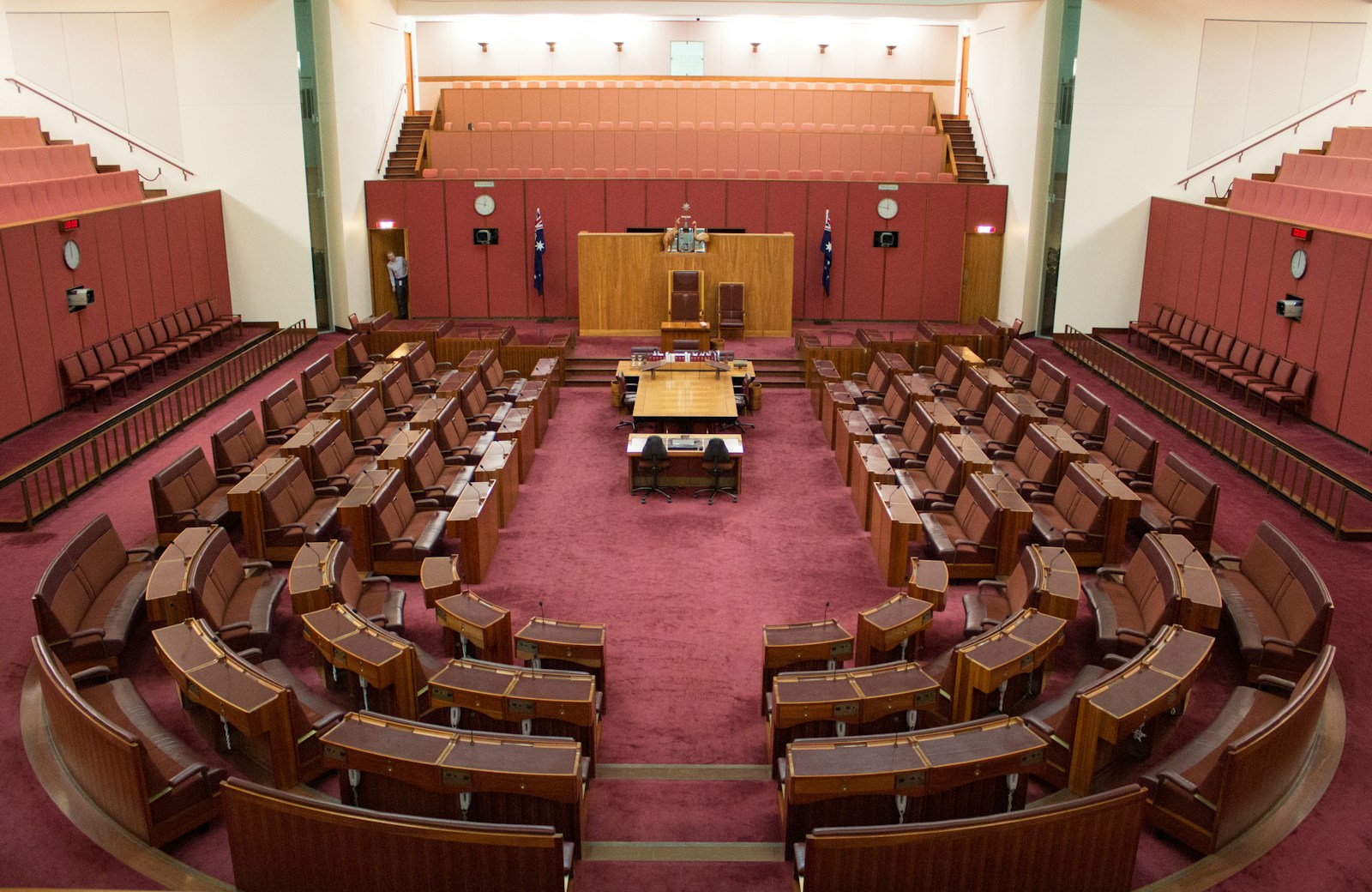
Committee on 1/07/2024
Item: Economics Legislation Committee – 01/07/2024 – Estimates – INDUSTRY, SCIENCE AND RESOURCES PORTFOLIO – Commonwealth Scientific and Industrial Research Organisation
Senator RENNICK: I accept that you’ll probably have to take this on notice. Has the CSIRO increased how much extra power will be used in the grid as a result of the uptake of electric vehicles, and how do they plan to deal with that? Who will actually provide that extra capacity in terms of battery power? Will the private sector step in and fill the battery power needed, or will that be something that the taxpayer has to underwrite?
Dr Hilton: I don’t think we have a view of who is paying for it in terms of whether it is taxpayer funded or private. We try to provide a levelised cost estimate of electricity. I’ll take your previous two questions on notice.
Senator RENNICK: So you don’t distinguish between the public sector and the taxpayer funding things?
CHAIR: Thank you, Senator Rennick.