Last week I spoke in the chamber about the need for cutting income tax for low income earners.
If businesses can get a tax deduction for the cost of doing business I don’t see why wage and salary earners can’t get a tax decision for the cost of living, especially if the tax is going to push people below the poverty line.
There are millions of people earning low to medium wages who are only just making ends meet. Yet they do very important jobs that keep the wheels turning in society. They spend their life putting their nose to the grindstone, never complaining but quietly fighting.
Treasury has been screwing these guys by overestimating the cost of tax cuts. People on lower incomes will spend any tax cut they get, so most of the money they receive will end up back in Treasury.
It’s why I’m pushing hard to cut income tax for all Australians.
You can register your interest in helping out at peoplefirstparty.au
Note: The income tax on $50,000 is $6,788 not $10,000 as I said in my speech.
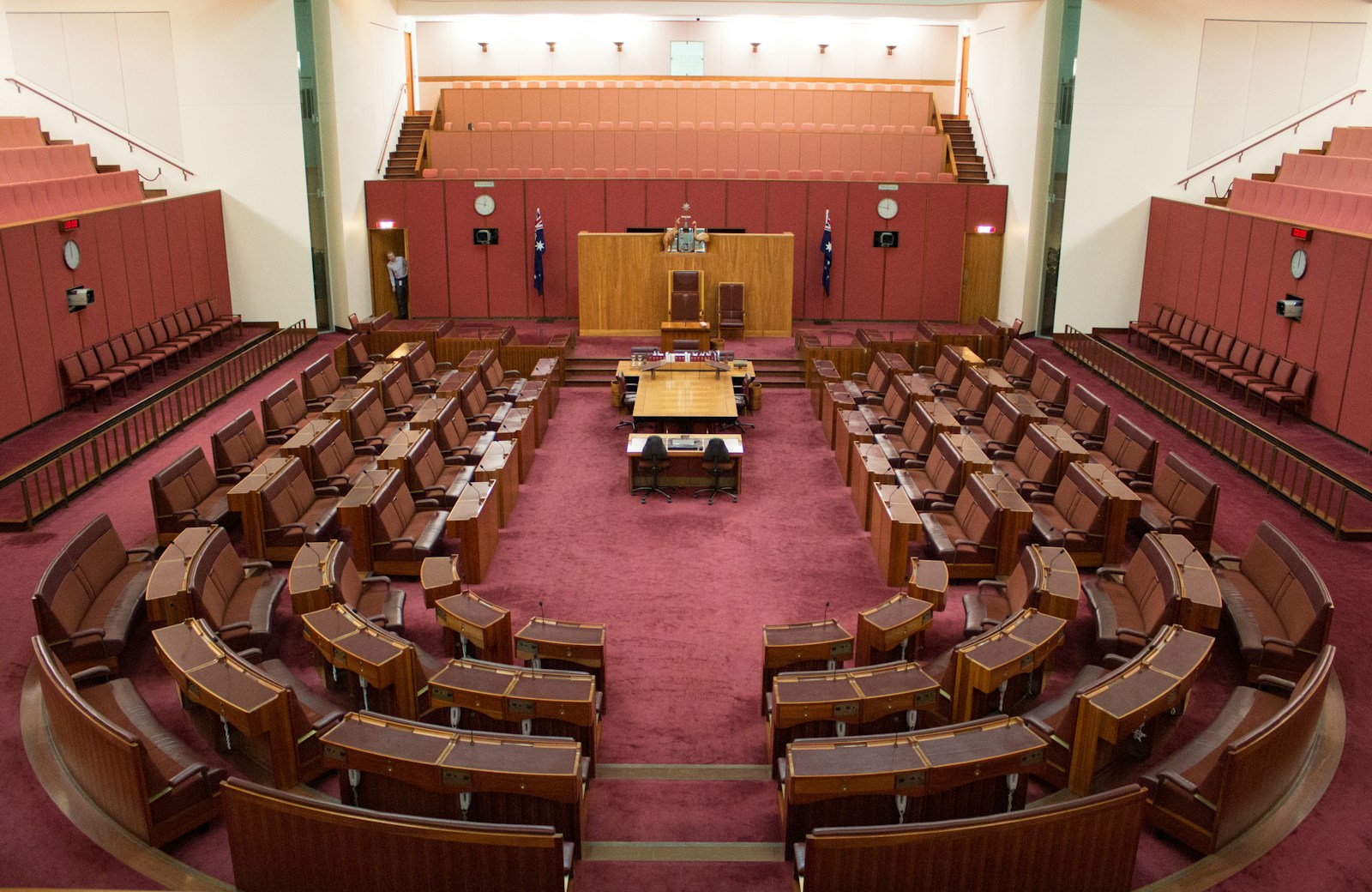
Senate on 11/09/2024
Item: COMMITTEES – Economics References Committee – Reference
Senator RENNICK (Queensland) (17:35): I want to address many other issues in this area. I know I’m going to run out of time, but it’s important that I do address it. One of the other things that really grinds my gears in this country is the fact that people on low income who earn less than the cost of living have to pay income tax on that cost of living.
I have to pay income tax on my income. All that does is actually drive these people further into poverty. My view is that if you get out of bed every day and put your nose to the grindstone—I don’t care whether you’re earning 40 grand or a 100 grand—that first 40 to 50 grand on your income should be tax-free. Currently, if you earn, say, $50,000, you’re paying about $10,000 tax, you’re paying about $6,000 in superannuation and you’re just about to start paying HECS. You are effectively losing $16,000. So you are going from earning $50,000 to having take-home pay of $34,000. It’s highly likely that unless you’re still living at home with your parents—even then you would probably struggle to live on $34,000—you are going to go back below the poverty line.
I think that we tax low earners at too high a rate in this country, and it needs to be reduced. Ideally, it needs to be reduced to zero. I think we also need to call out Treasury for the way that they model these tax cuts, because they effectively don’t assume secondary impacts. That discriminates against income tax for low-income earners, because, if you are a low-income earner and you did get a tax cut of $1000, it’s highly likely that most of that money will end up back in the Treasury within the next 12 months.
We need to look at why we tax low-income earners at 16 cents in the dollar. It was previously 19 cents in the dollar. We need to ask ourselves why those low-income earners are playing 16 cents on the dollar plus two per cent Medicare plus 12 per cent super while you can have money in superannuation uncapped. You can have millions of dollars in superannuation. You could be earning $150,000 in superannuation, and the most you’re paying on your earnings is 15 cents. I fail to see why someone earning less than $45,000 has pay 18 cents including Medicare plus 12 per cent super, while someone who’s a multimillionaire and has millions of dollars in super only pays 15 cents on their earnings. If it’s a capital gain and they have held it for longer than a year they only pay 10 cents.
Yet again we have arbitrage between different trust structures or different corporate structures. If you’ve got your money in a superannuation fund, which is effectively a trust, you’re paying a lower rate of tax than someone who is trying to get ahead by getting out of bed and trying to earn that through an active wage. Many of low-income earners work very, very hard. They travel the furthest to work. They’re doing the menial jobs like cleaning, cooking or working in aged care. These aren’t easy jobs, and someone has to do them. We really need to look at the way we go about taxing low-income earners.